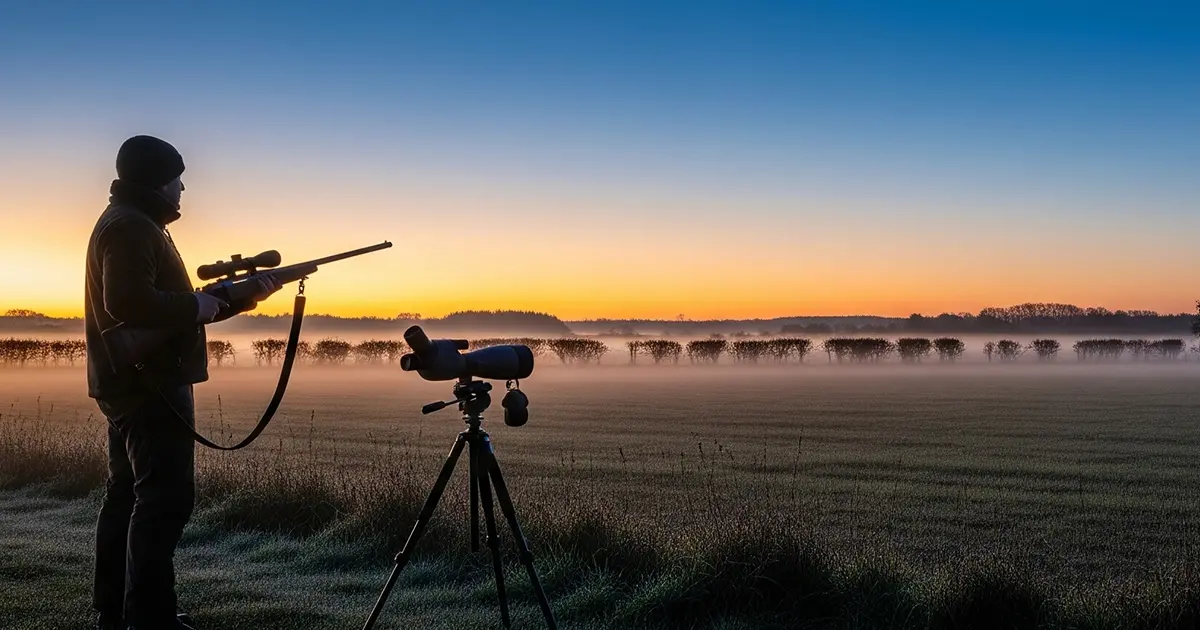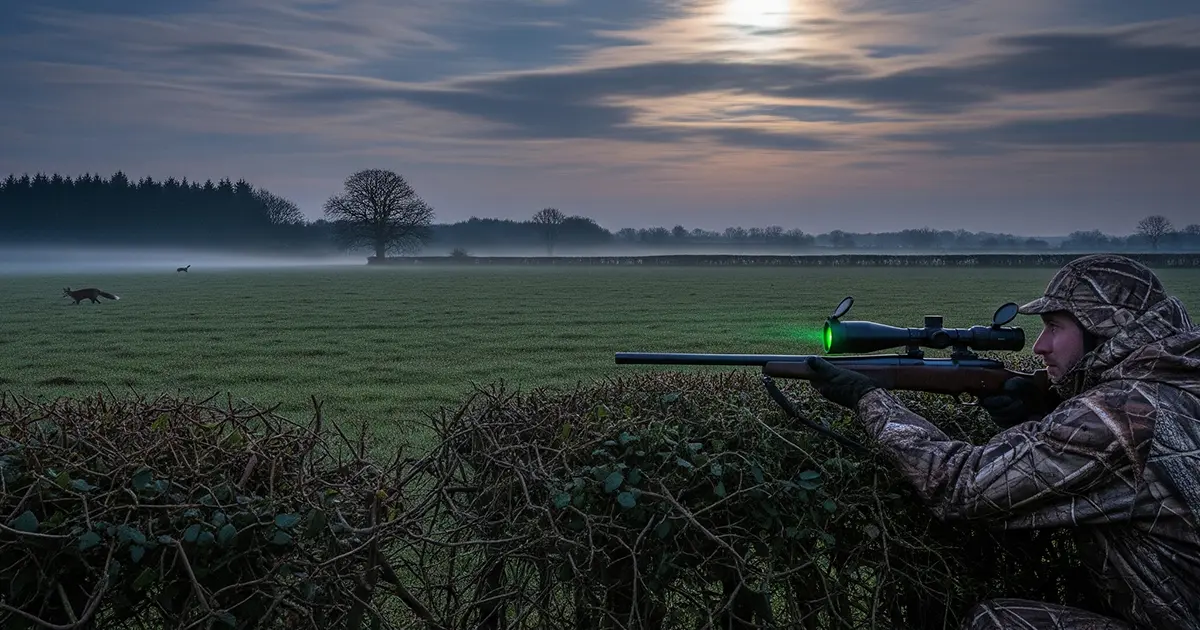
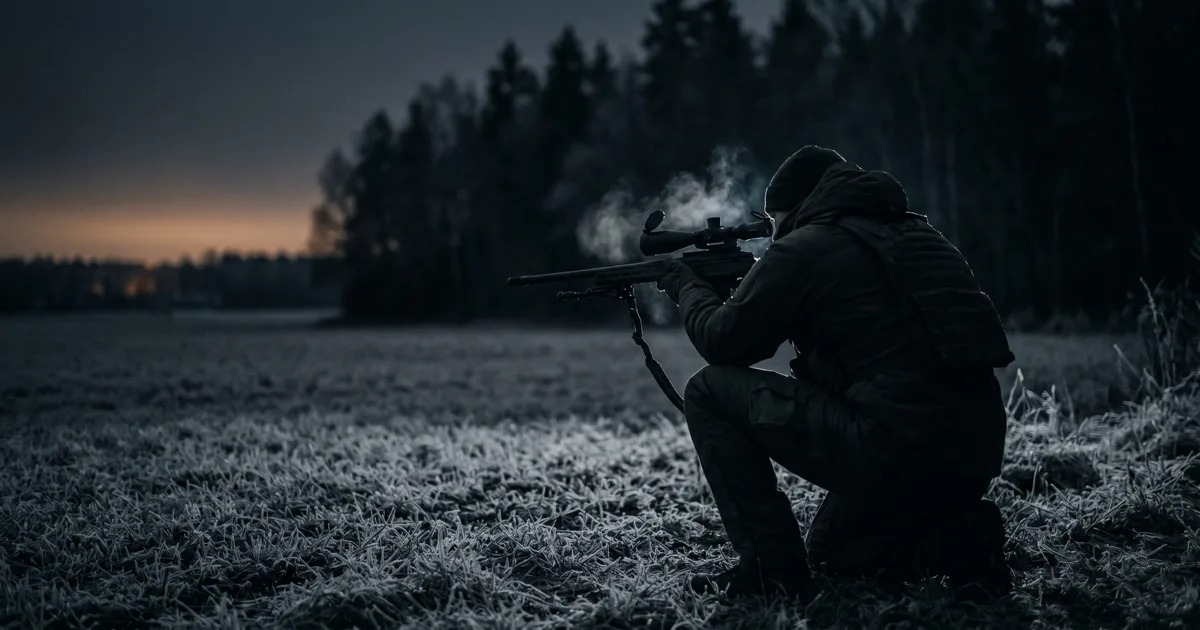
For many shooters in the UK, reliable optics after dark are no longer a luxury – they are a necessity. Whether you are protecting livestock from foxes, managing rabbits across paddocks, or simply exploring new ground at dusk, the right night vision or thermal equipment makes the difference between opportunity and frustration. Choosing wisely, and setting up your kit correctly, can make a real difference to your results in the field.
A Guide to Night Vision for Hunters
Night vision has developed through several generations, from the grainy entry-level units of the past to today’s crisp digital devices. Each step forward brings improvements in clarity, detection range, and versatility. If you are just beginning to explore the subject, a guide to night vision for hunters provides a solid foundation, explaining the differences between technologies and the common pitfalls that newcomers often face.
Night Vision Scope Setup Guide
Once you understand the basics, the next challenge is practical setup. Even the best device will fall short if it is poorly mounted or incorrectly zeroed. Our night vision scope setup guide covers compatibility, mounting techniques, daylight zeroing, and maintenance. It is a hands-on companion for anyone wanting to avoid the most frequent mistakes, from eye relief issues to power management on cold nights.
Thermal vs Night Vision in the Uk
For many shooters, the real question is whether to invest in thermal imaging or stick with traditional night vision. The two technologies are not interchangeable, and each has strengths depending on your quarry, environment, and budget. Our comparison of thermal vs night vision in the UK weighs up detection, identification, weather performance, and legal considerations, so you can match the right tool to your style of shooting.
Legality Matters as much as Performance
Across all three areas, legality matters as much as performance. Night vision and thermal optics are permitted for pest species such as rabbits and foxes, but remain restricted for deer stalking during hours of darkness. Understanding this framework means your investment is not just practical but compliant. At The Instinctive Shooter, we pair customers with equipment that genuinely serves their needs – both in the field and under the law.
These resources follow a clear sequence: understand your options, learn how to fit and zero your equipment properly, then weigh the pros and cons before committing. With the right knowledge and the right kit, your night shooting can be safer, more reliable, and far more rewarding.
What UK Shooters Ask About Night Vision and Thermal Optics
Is night vision legal for shooting in the UK?
Night vision and thermal optics are legal for shooting pest species such as foxes and rabbits. They are not permitted for deer stalking during hours of darkness under the Deer Act 1991. Always check current legislation before use, as rules can vary by species and location.
What is the difference between night vision and thermal imaging?
Night vision amplifies available light to produce an image, while thermal imaging detects heat signatures regardless of light conditions. Thermal is generally better for detection at range; night vision tends to offer clearer target identification. The right choice depends on your quarry, terrain, and budget.
Do I need to re-zero my scope when adding night vision?
Yes. Adding a night vision device to your existing setup will almost certainly shift your point of impact. Our scope setup guide covers daylight zeroing techniques and mounting considerations to help you get it right before you head out.
Which night vision generation is best for foxing and rabbit control?
Digital night vision devices are now the most practical option for most UK pest controllers, offering good clarity and range at a sensible price. Generation 2 and 3 image intensifier tubes deliver superior performance but at considerably higher cost. For most foxing and rabbit work, a quality digital unit will do the job.
How does cold weather affect night vision and thermal equipment?
Cold temperatures drain batteries faster and can affect lens clarity through condensation. Thermal optics are largely unaffected by weather conditions, which is one of their main practical advantages. Carrying spare batteries and allowing equipment to acclimatise before use will reduce most cold-weather problems.